But even with 30 percent or better fuel savings, hybrid technology remains too expensive for most for-hire trucking companies, admits Sandler. However, hybrids are becoming more palatable.
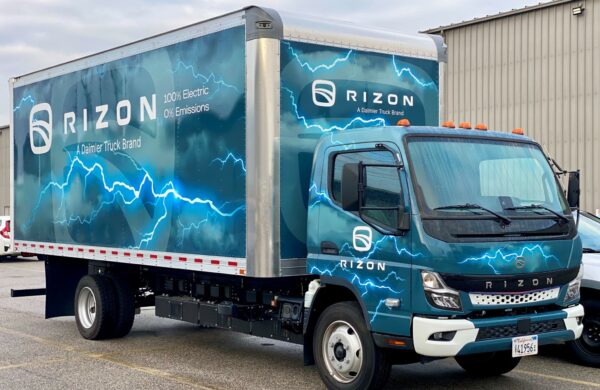
Sandler, formerly of Meritor Automotive, is a 30-year veteran of the trucking industry. His company recently developed two hybrid electric versions of its step van chassis for Purolator in Canada and UPS. Because they are custom builds, neither version is cheap, says Sandler. "But with a few more developments, both hold promise."
"From a price standpoint, as orders go up, production costs will come down. But advancements in technology will also be key, particularly in terms of battery storage capacity. And I don't think we're far away from that."
At present, the hybrid battery pack is the most expensive component to make a hybrid electric truck, Sandler explains. "With more efficient battery storage a fleet of 'plug in trucks' would work quite well."
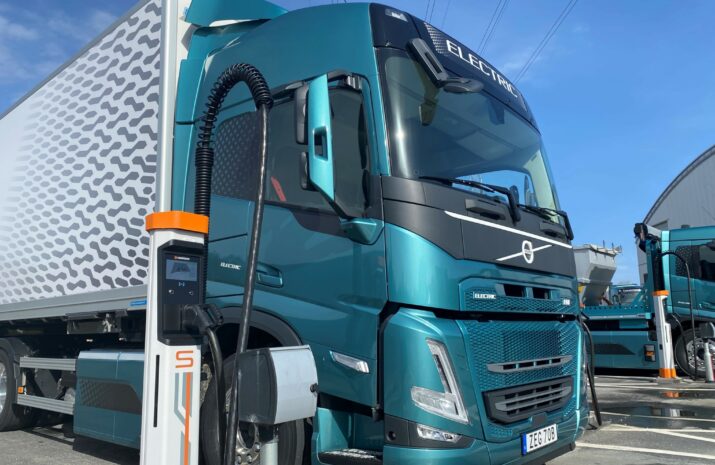
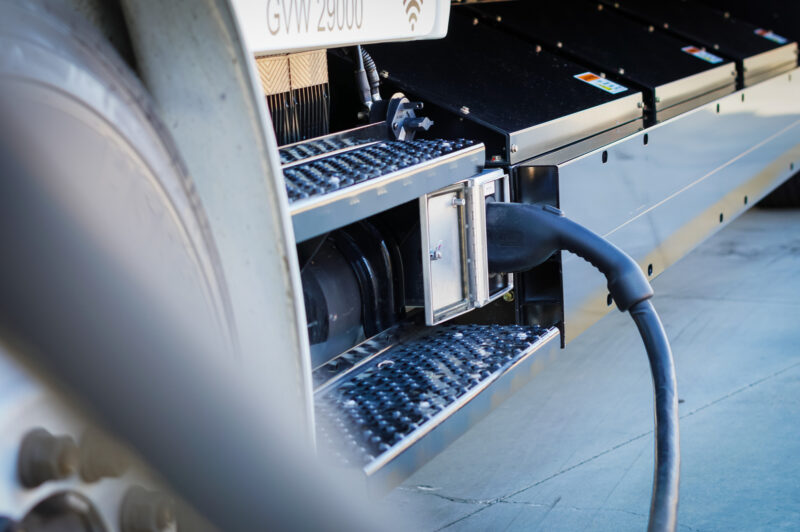
Such trucks, he says, would "fuel up" by plugging into an electrical outlet of whatever configured voltage. Cost-effectiveness would be enhanced by doing this at night, say between midnight and 5 a.m., when the power grid has the least amount of demand and power might be purchased more cheaply.
The truck will be powered up for most of the day, and a small diesel engine could provide supplemental energy, if needed. For a walk-in truck, this would probably be a 2 or 2.5 liter engine that would run the generator, said Sandler. So when the battery charge drops to a certain level, the generator automatically starts up and recharges the batteries.
Because they serve local routes with a lot of stop and go driving, pick up and delivery fleets of all kinds will likely lead the way in this hybrid revolution, said Sandler.
Furthermore, future hybrids will have similar horsepower and torque as today's trucks.
"It will be the most significant change in automotive power we will see in our lifetime," he says. "Fleets need to come to grips with the fact that the electric truck is no longer something to dismiss as science fiction. Hybrid electric trucks are here now, and may well be everywhere tomorrow."