Rizon EV aims to leverage capability, safety to carve market share
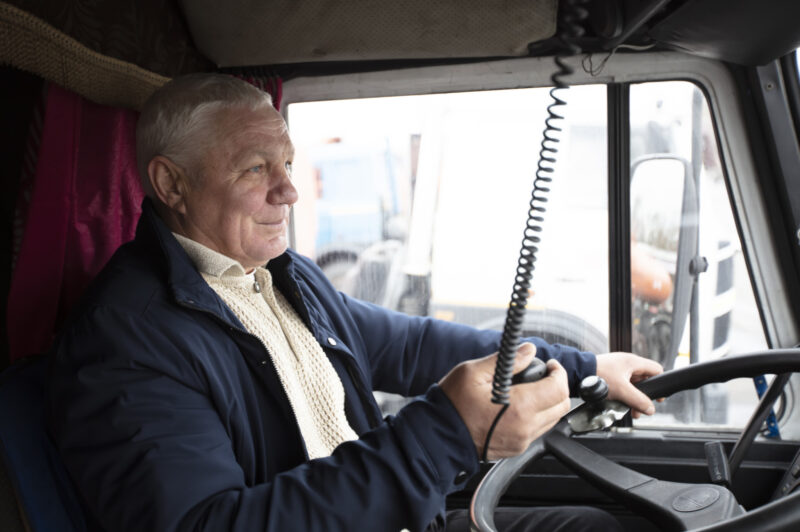
It’s very quiet in the cab while sitting behind the wheel of a truck as it rolls down the road. No engine rumbling, and no vibration from the steering wheel,…
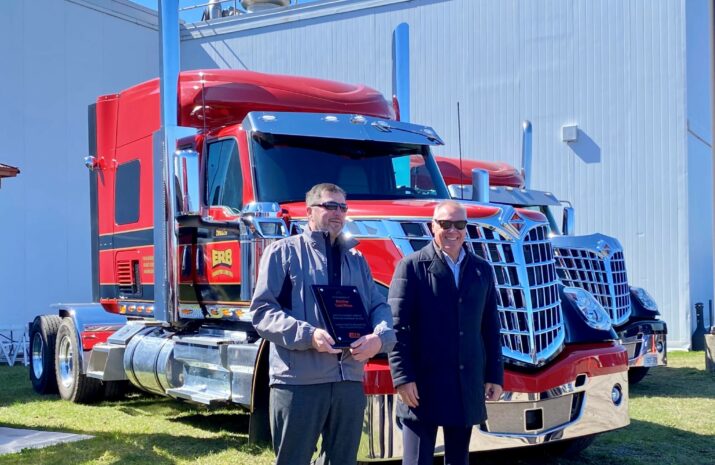

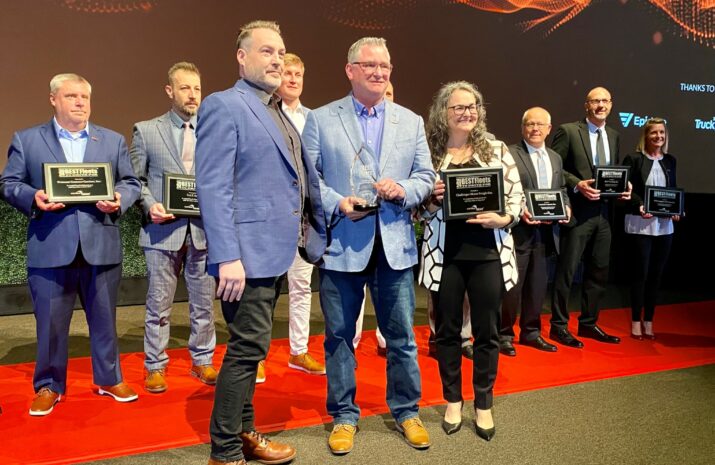


Toronto-headquartered Kenworth Ontario PacLease was named as PacLease’s 2023 Canadian franchise of the year. With eight locations across the country, Kenworth of Ontario is PacLease’s largest franchise in Canada, said Ken Roemer, president…
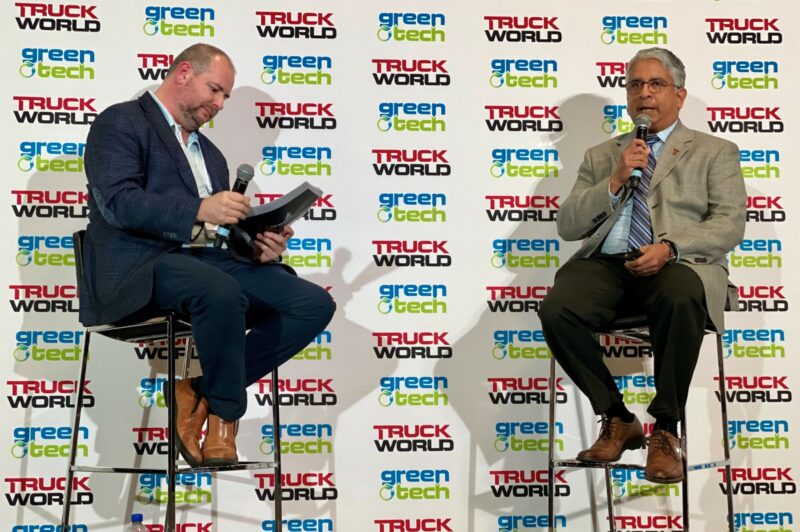
The adoption of electric vehicle technology is dependant on several factors. They include product and services offered, incentives, carbon targets and pricing, infrastructure, fossil-free energy and supply network. It is…


We have changed the way we showcase trucks and trailers available for sale – and now send the details right to your email inbox.
Simply click here to subscribe to our bi-weekly HD Hotlist for the listings.